AI for Medical Data Analysis: Model and Software Selection
Select AI for medical data analysis by data type, governance, privacy, validation, interpretability, and clinician-facing outputs.
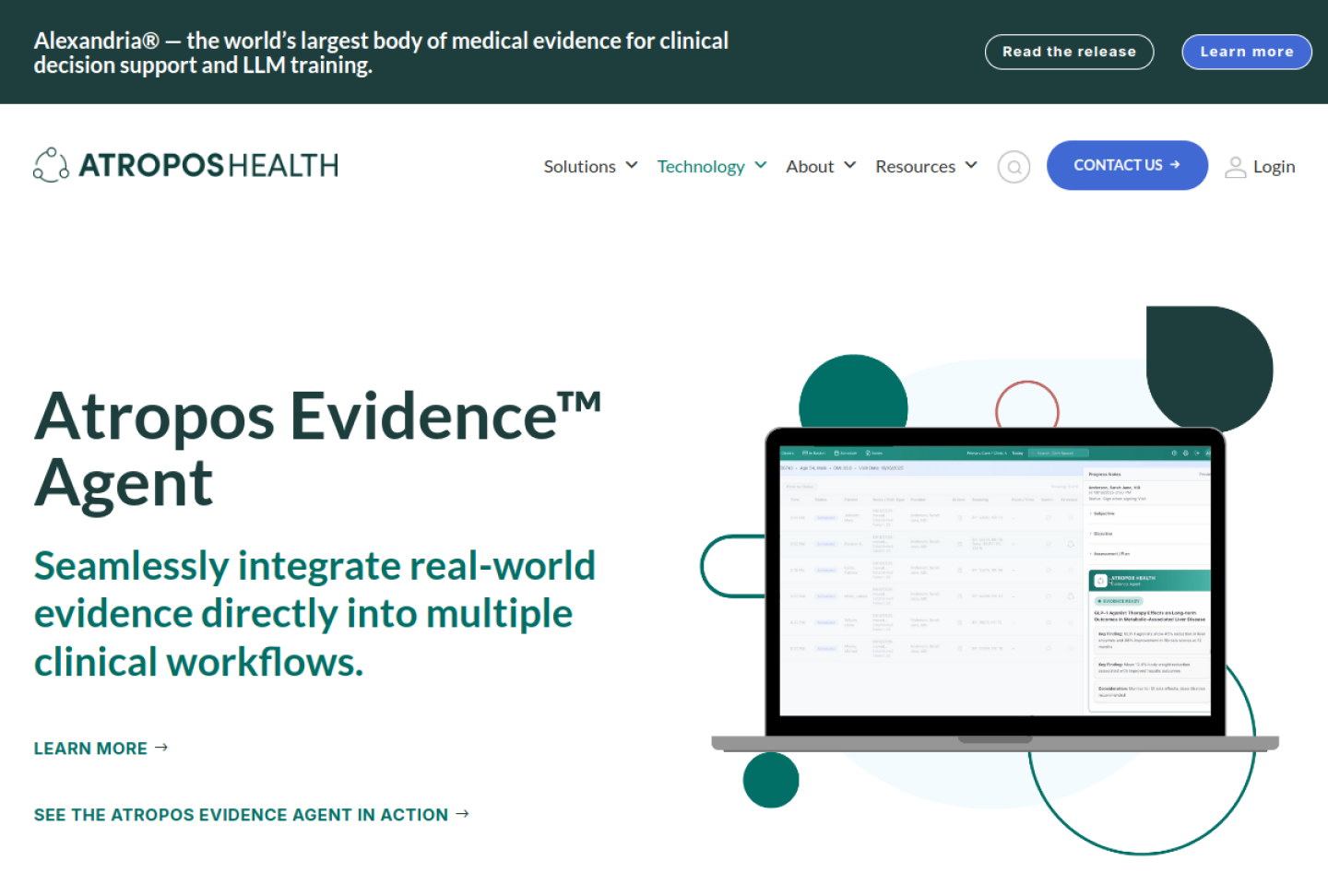
Representative source image: official Atropos Health product page.
Quick answer: The best AI model for medical data analysis depends on the data, task, and risk. Structured claims data, EHR notes, images, lab values, and genomics all require different modeling choices, privacy controls, validation methods, and explainability expectations.
Who this guide is for
Medical data teams, clinicians, researchers, and analytics leaders.
What makes this workflow different
Medical data analysis depends on the data type, population, validation method, and clinical consequence.
What to verify before using it
Define the prediction, extraction, or summarization task.
Separate de-identified research data from operational PHI.
Validate on local or representative data.
Measure bias across patient groups.
Document model monitoring and retraining policy.
Risk level and safe use
Medical risk
Medium to high
Best first step
Write the workflow in one sentence, decide who reviews the AI output, and test with a small controlled pilot before expanding.
Recommended posture
Use AI as supervised workflow support. Verify sources, privacy, human review, and regulatory fit before relying on outputs.
Source-backed products for this workflow
These profiles are not rankings. They are starting points for checking vendor claims, privacy terms, FDA or regulatory posture, evidence, and workflow fit.
Truveta describes a health data, intelligence, and evidence platform with Truveta Studio, Truveta Intelligence, Tru natural-language research assistance, Truveta Language Model data cleaning, provenance, code-set visibility, and a trusted research environment for audit-ready studies.
Best for
Research and evidence teams that need daily updated EHR, claims, mortality, imaging, multiomics, and other linked data with reproducibility controls.
First check
Which Truveta product is in scope: Data, Studio, Intelligence, Evidence, Tru, or Truveta Language Model-supported workflows.
Aetion describes the Evidence Platform as a modular, data-agnostic RWD-to-RWE engine with validated analytical methods, data ingestion, no-code workflows, guardrails, audit trails, and applications such as Substantiate and Generate.
Best for
Evidence teams that need guardrailed, auditable RWE workflows across claims, EHR, registry, or other longitudinal datasets.
First check
Which Aetion product is being used: Evidence Platform, Discover, Activate, Substantiate, Generate, Science and Research services, or AetionAI-supported workflows.
nference describes nSights as a suite of multimodal AI applications using longitudinal EHR and real-world data to support clinical research, drug development, diagnostics, RWE generation, and predictive model development.
Best for
Research teams exploring patient cohorts, multimodal data signals, drug or diagnostic development questions, and code-free RWE workflows.
First check
Which nSights application, dataset, modality, institution source, or analytics tier is available for the research question.
Find the best AI for medical workflows by matching the tool to documentation, questions, diagnosis support, research, coding, billing, imaging, or practice operations.
Understand AI for medical diagnosis, including validation evidence, FDA status, clinical supervision, and why patient-specific diagnosis should not rely on general chatbots.